
Arrest History in St. Tammany Parish
St. Tammany Parish arrest records begin with STPSO, Slidell Police, Mandeville Police, Covington Police, Louisiana State Police, or another commissioned agency. The officer creates the report. Jail intake creates a separate booking with identity data, fingerprints, a photograph, charges as received, and custody information.
The report describes the event; the booking proves an intake occurred. Fingerprints may support reporting to the Louisiana State Police Bureau of Criminal Identification and Information. If the district attorney files charges, the St. Tammany Clerk maintains the later 22nd Judicial District Court case. No verified historical depth for a complete parish arrest database was found, so no start date should be assumed.
A rap sheet organizes repeated arrest cycles around biometric identity and reported outcomes. It does not replace the officer’s narrative or the clerk’s pleadings and minutes. Compare dates, agency names, control numbers, and disposition data before deciding that two entries describe the same event.
Who Holds St. Tammany Parish Arrest Records?
Request the narrative from the agency that created it, not merely the jail. STPSO handles sheriff reports and parish bookings. Slidell Police uses its Public Affairs contact route. Mandeville records go through the city or police custodian. Covington Police Records is at 609 N. Columbia Street, 985-892-8500 extension 2. Trooper reports belong with LSP.
St. Tammany Parish Sheriff’s Office
Use the official STPSO site for sheriff report and jail channels. The parish jail is at 1200 Champagne Street in Covington. Confirm current contact details before a visit.
A city arrest can require a city report request and a separate parish booking inquiry. A clerk docket is a third source created after filing.
How to Look Up St. Tammany Parish Arrests
A complete St. Tammany Parish arrest lookup follows current custody to the source report and any court outcome. Search with legal name, date, agency, and identifier when known.
- Contact the parish jail for a same-day event that may not yet index. Capture the booking number, agency, date, and intake charges.
- Request the initial report from the arresting agency. A city police narrative remains with that city even when STPSO booked the person.
- Search the clerk after prosecution is filed, then compare filed charges and disposition with intake data.
- For one’s own statewide history, use LSP’s fingerprint-based Right to Review. IBC is for authorized statutory uses, not unrestricted public name searching.
- If a state cycle lacks an outcome, obtain the clerk disposition and follow BCII correction instructions. Review expungement separately when eligible.
The Civil Search Is Not a St. Tammany Arrest Search
STPSO General Inquiry covers civil process and foreclosure information, not criminal warrants, bookings, or inmates. The official civil inquiry makes that distinction important.
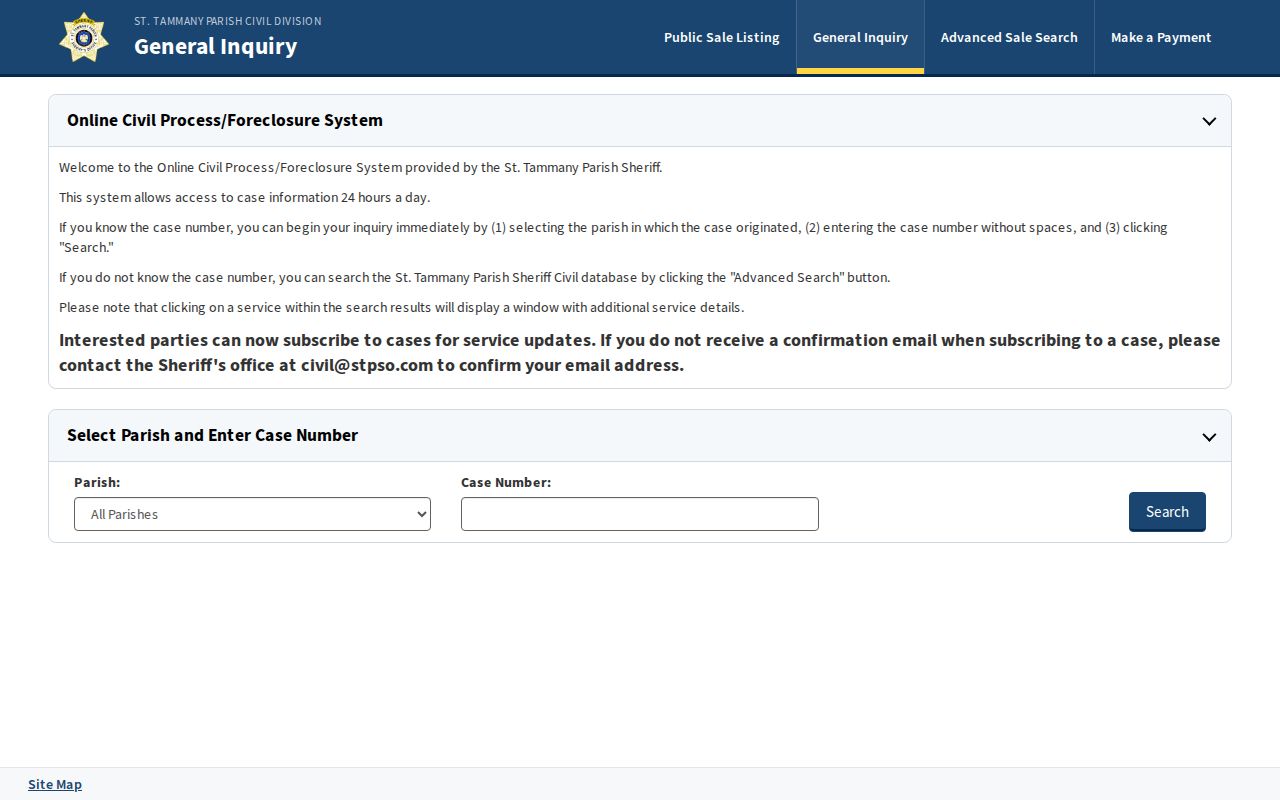
District attachments or capiases may appear in court minutes; a city failure-to-appear warrant belongs with the issuing court. Some sealed or unexecuted warrants are not public.
What a St. Tammany Parish Arrest Record Shows
An arrest report is incident-centered; a booking is intake-centered. Public copies can omit protected identifiers, juvenile material, protected victim identities, confidential sources, undercover details, and pending investigative material.
| Booking Number | The identifier for one jail intake, not a court docket. |
|---|---|
| Booking Date & Time | When intake was recorded, which may differ from incident time. |
| Arresting Agency | The custodian to ask for the officer’s narrative report. |
| Charges | Descriptions and statutes delivered at intake; later filing can differ. |
| Bond | Type and amount by charge where the current record displays them. |
| Booking Photograph | May support jail identification; no verified universal release rule was found. |
| Release Status | Current status or release event, not the court’s final result. |
From St. Tammany Arrest to Court Filing
At custody transfer, the officer delivers the person and paperwork. Intake records identity, aliases, descriptors, fingerprints, photograph, and the received charge. Property and medical or security screening follow, but sensitive screening details are not presumed public. A judicial officer reviews custody and bond as required.
The district attorney may accept, amend, add, or decline charges. The clerk opens a case after filing. Release, bond, credit, or transfer ends local custody, while the records remain with their creators. This timeline explains why a roster, rap sheet, and docket can differ without any one of them being the complete history.
Recent St. Tammany Arrests and Booking Logs
No verified official daily STPSO booking-log URL was captured. Use the jail’s current official route or call for an intake too new to index, and never substitute a commercial mugshot gallery. A typical official profile may show booking number and time, arresting agency, charges, bond, status, and facility.
No result does not prove no arrest. Intake may lag; a person may be released, hospitalized, cited, booked elsewhere, or listed under another spelling. Official press releases select noteworthy events and are not a complete statistical log.
The official VINELink service supplements custody sources with status and notifications.
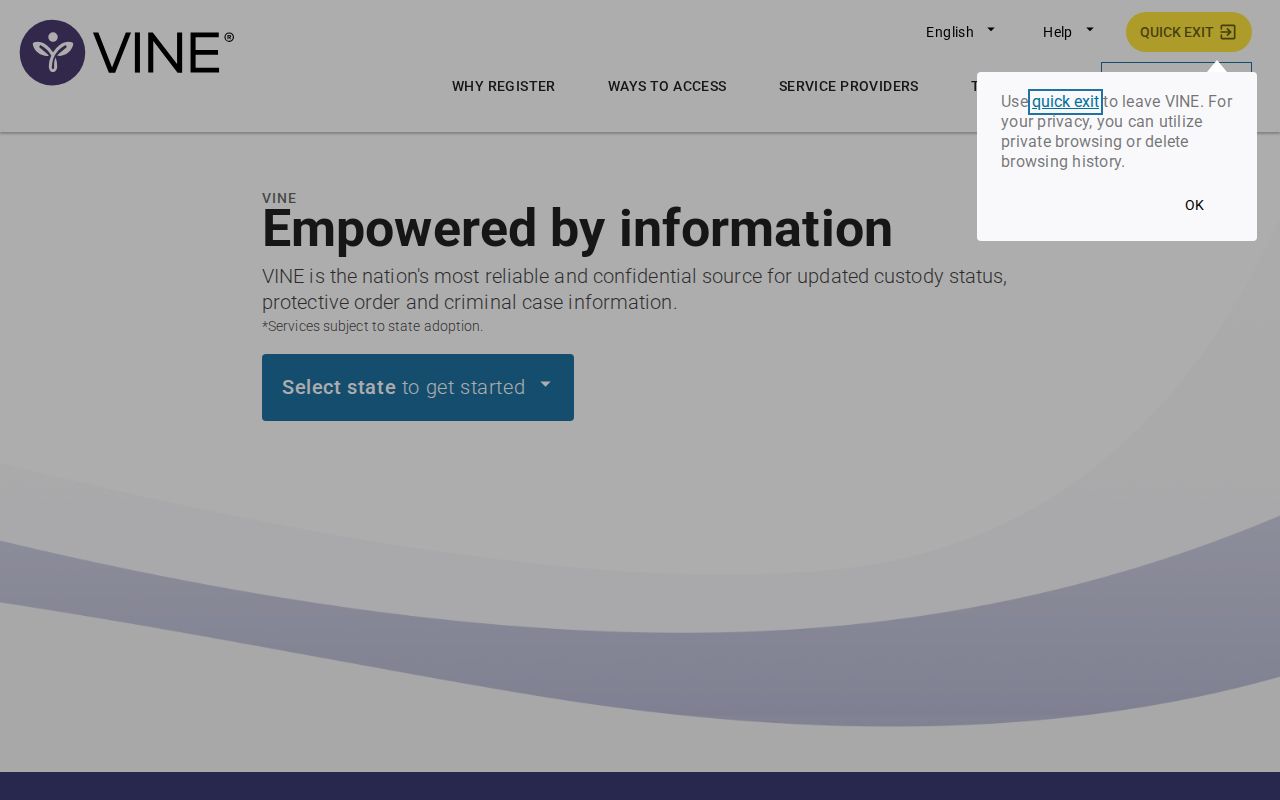
VINELink does not replace the agency report, parish arrest history, or court disposition.
City Reports After St. Tammany Parish Booking
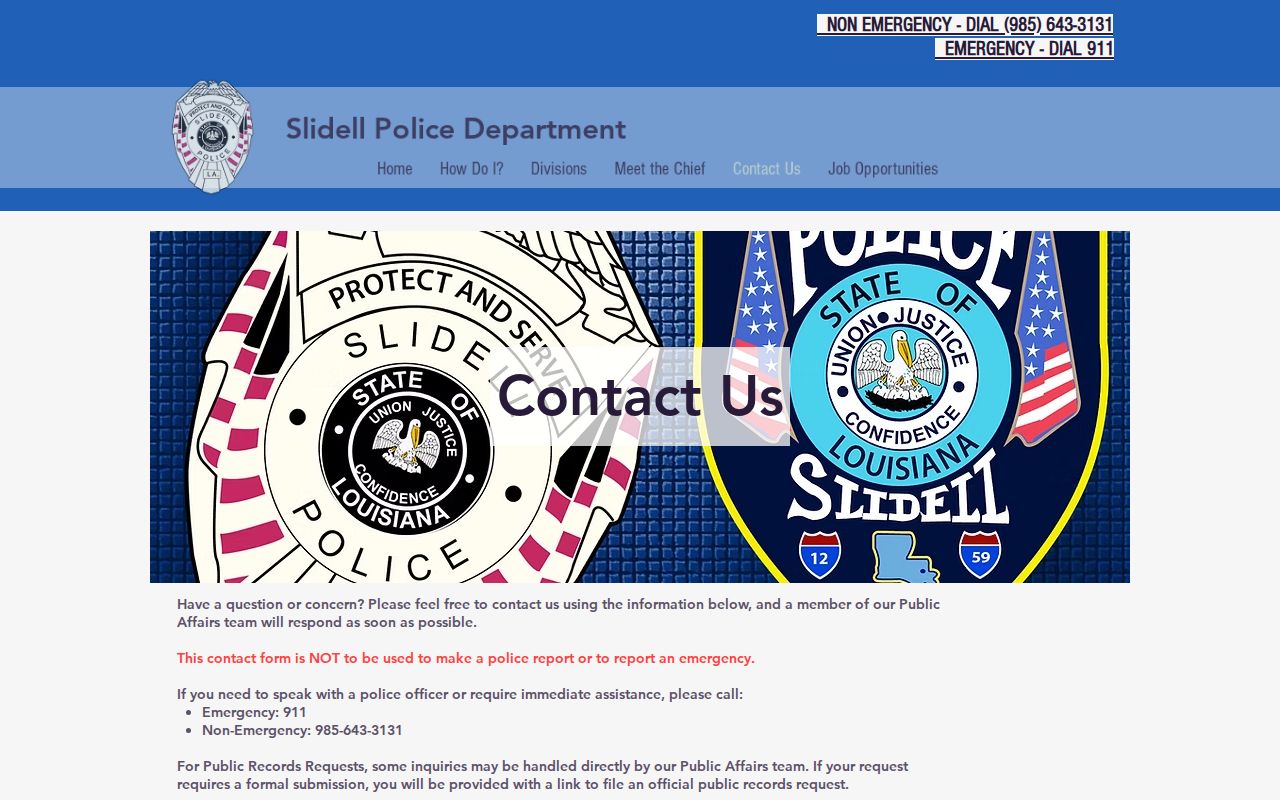
Slidell Police directs record inquiries through its official contact route. Give the incident date, place, agency, names, and report number when known so the request reaches the right custodian.
The Slidell Police contact page shows the request route.
Covington advises at least ten business days for report availability and paper reports starting at $1 per page. Do not apply those city terms to another agency.
Local and State St. Tammany Custody Records
The parish jail answers local custody and booking questions. Louisiana DPS&C covers people in state custody. Transfer or release can remove a person from a current local roster while the earlier booking and prosecution remain.
The official state imprisoned-person page supplies the state channel.

Use the St. Tammany Clerk’s case record for the prosecution and outcome rather than inferring them from custody status.
St. Tammany Arrests vs Convictions
An arrest records custody based on an accusation. A conviction is a judgment based on a guilty plea or verdict. BCII may connect an arrest cycle to a reported disposition, but source records remain distinct.
If a Right to Review cycle lacks a disposition, obtain the clerk disposition and use BCII’s correction route. The clerk documents the court outcome but does not edit the state repository. Louisiana expungement can remove an eligible record from public access without destroying it.
Public access remains custodian-specific. Initial reports and bookings can be public even when pending investigative material, victim data, Social Security numbers, juvenile records, confidential sources, or undercover information are withheld. A request naming the record, agency, and date is more useful than a demand for every document about a person.
| Arrest Record | Conviction Record |
|---|---|
| Police report and jail booking. | Court plea, verdict, and judgment. |
| Shows an arrest or intake, not guilt. | Establishes guilt on the resolved count. |
| Agency, jail, and possibly BCII. | Clerk file and reported repository history. |
| Release, declination, dismissal, or acquittal may follow. | Sentence, appeal, supervision, or eligible expungement may follow. |
Note: An arrest is not proof of guilt, and a booking may be followed by no charge, dismissal, or acquittal.
When records disagree, build a dated sequence rather than choosing the most dramatic source. Start with incident and arrest time, then booking, first appearance, prosecutor filing, clerk minutes, disposition, sentence, and release or transfer. Preserve the exact charge label attached to each stage. A booking charge may be supported by a warrant or probable-cause narrative, while a later bill of information reflects the prosecutor’s filed decision.
A miss can also have a simple search cause. Try an alternate spelling or alias, widen the date range, and confirm which parish accepted custody. A municipal citation can create a court matter without parish jail intake. A transfer can move current custody to the state system. When searching one’s own history, fingerprints and agency control numbers provide stronger matching than a name. These checks prevent a current roster from being mistaken for a lifetime St. Tammany Parish arrest history.
Use official dates, agency names, and record identifiers for a more reliable St. Tammany Parish arrest match.